End-to-End Compliance, Backed by Industrial-Scale Battery Recycling
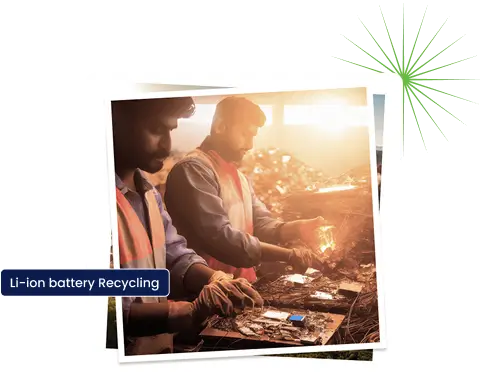
RecycleKaro enables battery producers, OEMs, EV companies, and importers to meet their Li-ion Battery EPR obligations through authorised recycling, advanced material recovery, and audit-ready reporting.
Lithium-ion batteries are high-risk, high-value waste streams. Improper handling can lead to fire hazards, environmental contamination, and regulatory violations.
Battery EPR compliance today requires more than collection and paperwork. It requires specialised infrastructure, trained processes, and real material recovery.
RecycleKaro’s battery EPR framework is designed for safety, scale, and long-term regulatory defensibility.
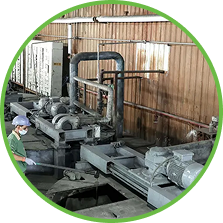
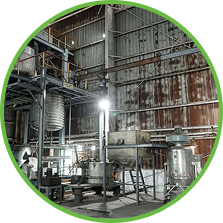
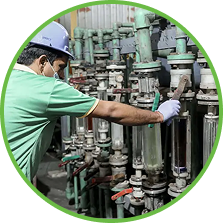
Dedicated facilities for safe discharge, dismantling, and processing of lithium-ion batteries across chemistries and formats.
Extraction-Led Material Recovery
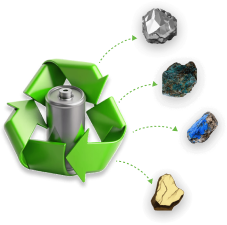
Recovery of lithium, cobalt, nickel, manganese, copper, and aluminium through scientific recycling processes.
Audit-Ready Traceability
Batch-wise records, mass-balance reporting, and CPCB-aligned documentation for battery EPR compliance.
What Happens to Your End-of-Life Batteries
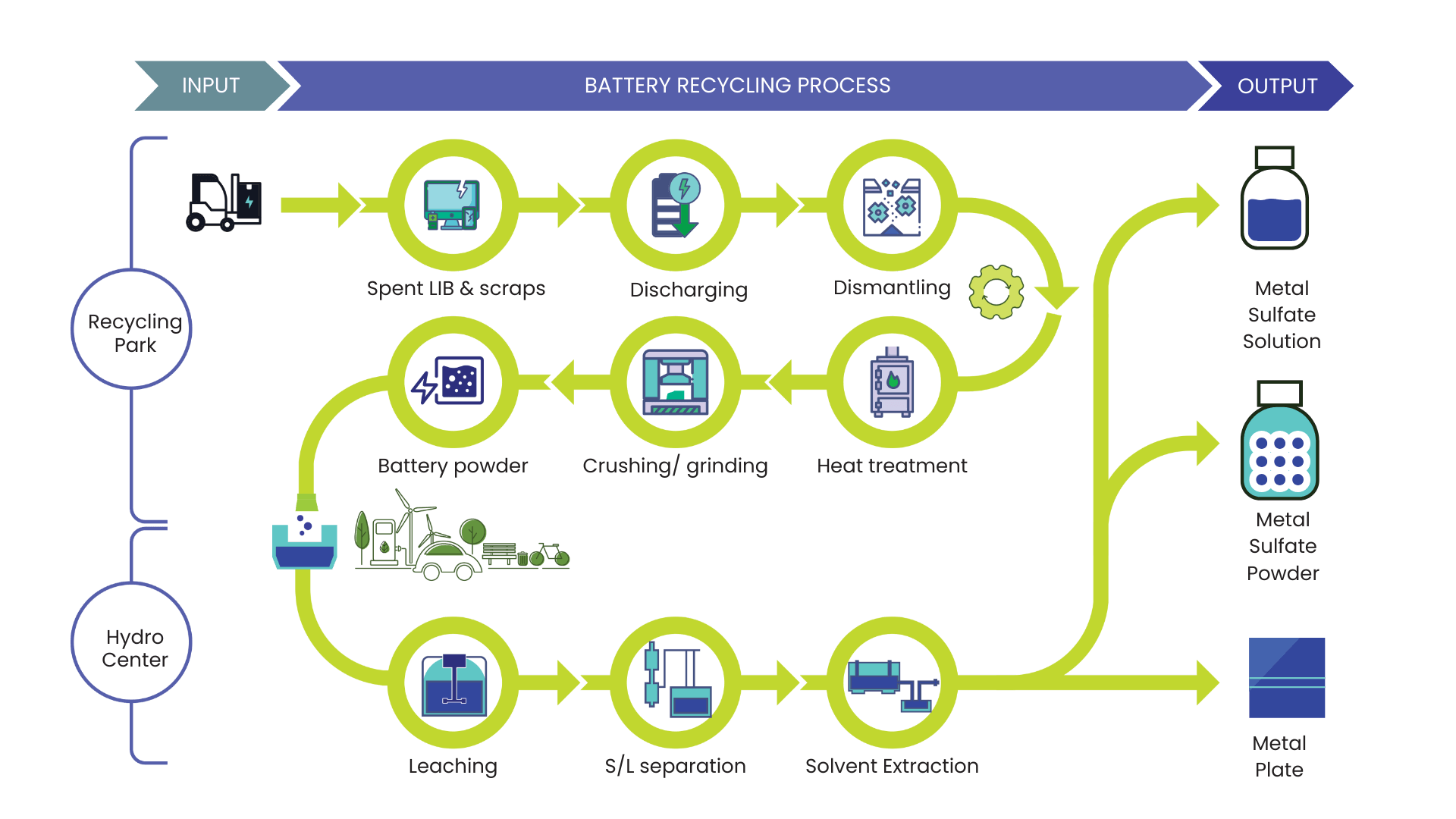
At RecycleKaro, lithium-ion batteries are processed through a controlled, safety-first workflow designed to maximise recovery and eliminate environmental risk.
This ensures your battery EPR compliance is backed by actual recycling and material recovery, not downstream assumptions.
Secure collection and compliant transportation
Safe discharge and risk-neutralisation
Scientific dismantling and segregation
Advanced recovery of battery materials
Compliant handling of non-recoverable residues
Designed to Withstand Audits and Regulatory Scrutiny
Battery EPR enforcement in India is tightening, with increased focus on recycler capability, safety standards, and traceability.
Authorised Facilities Only
All battery recycling is carried out at approved facilities, reducing exposure to compliance disputes or deregistration.
Safety & Compliance
Protocols
Processes designed to mitigate fire, chemical, and environmental risks inherent to battery waste.
Regulatory Alignment
Documentation and reporting aligned with evolving battery waste management and EPR rules.
Battery EPR Credits You Can Stand Behind
Battery EPR credits carry higher scrutiny due to safety, material value, and strategic importance.
Credits generated only after authorised battery recycling
No aggregation without physical processing
Transparent recovery and mass-balance records
This ensures your EPR credits remain defensible under retrospective audits.
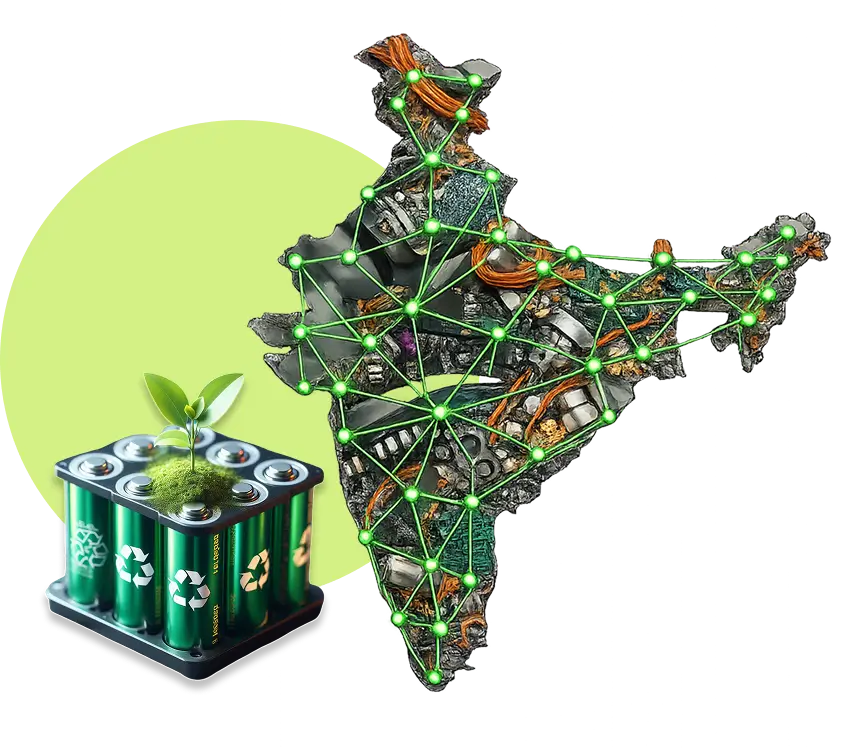
Pan-India Battery EPR Execution
Support for EV, ESS, and consumer battery streams
Pan-India collection and logistics coordination
Scalable capacity aligned with market growth
Centralised compliance reporting
Future-Ready for India’s Battery Economy
As India scales EV adoption and battery manufacturing, regulators are raising expectations on recycling outcomes, safety standards, and material recovery quality.
RecycleKaro’s battery EPR framework is designed to remain relevant as regulations tighten and volumes increase.
Beyond Compliance: Real Circular Value
Reduced dependence on imported battery raw materials
Lower environmental impact compared to virgin mining
Support for India’s battery manufacturing ecosystem
Safe and responsible handling of hazardous waste
Make Battery EPR a Strategic Advantage
With RecycleKaro, battery EPR becomes a structured, transparent, and future-ready program that supports compliance, safety, and sustainability.